Factory-Custom Sports Bags, Where Sustainability Powers Active Lifestyles
Dear B2B Partners,
Welcome to ECO-ZY — your reliable factory-direct platform for custom sports bags, designed for fitness brands, gyms, enterprises, and sports teams. We blend eco-conscious craftsmanship, athletic functionality, and brand identity, offering end-to-end customization from concept to bulk delivery.
Sustainability is at our core: we use recycled materials like post-consumer plastic bottle fabric (for durability) and organic cotton linings, plus non-toxic, sweat-resistant dyes. Our factory minimizes waste via lean production, ensuring every bag is tough for workouts and kind to the planet.
You can tailor to active needs: choose sizes (compact for gym sessions, large for team trips), add sports-specific features (ventilated shoe compartments, water bottle pockets, sweat-wicking linings), and brand it (logo embroidery, team-color matching). We offer 3–5 day sampling, strict quality checks, and flexible delivery.
Contact our B2B consultant, browse cases, or request samples — let’s create sports bags that fuel activity and reflect your sustainable values.
— The ECO-ZY Factory Customization Team
Display of various Sports Bags styles
heat transfer printing sports bag
recycle fabric sports bag
Customization & Service Commitment
Sports Bag Customization & Service Commitment: Designed for Performance & Brand Identity
As a professional sports bag manufacturer with 12+ years of focus on active lifestyle products, we specialize in creating custom sports bags tailored to diverse athletic scenarios—whether for gym-goers (gear storage), team sports (uniform & equipment carry), outdoor enthusiasts (hiking/camping gear), or fitness brands (co-branded collections). Our core focus is merging athletic functionality (waterproof compartments, gear separation, load-bearing design) with brand visibility (durable logos, sporty color schemes), backed by service commitments that prioritize speed and performance. Here’s how we deliver for your sports bag project:
1. Free Sample & 3D Product Rendering: Test Performance Before Production
We know sports bags need to withstand sweat, equipment weight, and frequent use—so we eliminate risk with two guarantees to refine your design for real athletic needs:
Free Functional Samples: Receive a custom sports bag sample within 3 business days to test sport-specific details:
Performance Durability: Evaluate fabric resilience (e.g., 1680D polyester that resists scuffs from dumbbells, anti-tear nylon for hiking gear) and waterproof performance (TPU-lined wet compartments for sweaty clothes/shoes, 3000mm hydrostatic pressure for outdoor use).
Athletic Functionality: Check gear-specific storage (e.g., padded laptop sleeve for post-workout work, ventilated shoe compartment to prevent odor, elastic mesh pockets for water bottles/protein shakers) and carry comfort (padded shoulder straps for 10kg+ loads, breathable back panels to reduce sweat buildup).
Brand Durability: Test logo longevity (silk-screen printing that resists 50+ washes, heat-transferred logos that don’t peel after friction with equipment). We offer up to 3 free revisions to adjust compartment size, strap padding, or logo color (Pantone-matched to team/brand hues)—no extra cost.
Sport-Scene 3D Rendering: Our design team uses sports-specific CAD tools to create previews that show how the bag performs in use—e.g., a gym bag’s shoe compartment opening, a hiking bag’s gear strap layout, or a team bag’s uniform storage capacity. This lets you visualize not just the look, but the function of the bag, cutting design approval time by 40%.
2. Full-Lifecycle Service: From Style Pick to Athletic-Ready Delivery
You only need to select a base sports bag type (e.g., gym duffel, team backpack, hiking daypack, yoga mat carrier) — we handle every step from design to delivery with a workflow optimized for sports product timelines (e.g., team season launches, fitness campaign deadlines):
Athletic Needs Consultation: Our sales consultants (with 5+ years in sports accessories) dig into your use case: target athletes (e.g., college basketball teams, yoga studios, marathon runners), gear weight (e.g., 15kg for hiking gear, 5kg for gym essentials), and timeline (e.g., 3-week turnaround for pre-season team bags).
Sport-Tailored Design: Designers integrate brand elements with athletic needs—e.g., adding reflective strips for early-morning runners, adjustable gear straps for team helmets, or yoga mat loops for studio bags. They also align with sports trends (e.g., “slim-profile gym bags for urban commuters,” “eco-friendly recycled polyester for sustainable fitness brands”).
Performance Material Sourcing: We partner with 25+ certified suppliers to source sports-grade materials:
Outer fabrics: 1680D anti-scuff polyester, TPU-coated waterproof nylon, recycled polyester (GRS certified) for eco-focused brands.
Specialized components: Ventilated mesh (for shoe compartments), anti-odor liners (for sweat-prone areas), heavy-duty zippers (YKK brand, tested for 1000+ opens/closes with gloves).
All materials meet EU REACH and US CPSIA standards, plus sports-specific certifications (e.g., OEKO-TEX for skin-contact panels).
Sample Validation: Produce samples and test them in real athletic scenarios (e.g., a gym bag used for 10+ workouts, a team bag carried to practice) — refine based on feedback until it meets performance expectations.
Mass Production: Use automated cutting (±0.2mm precision for gear-compartment alignment) and skilled workers trained in sports bag construction—e.g., reinforcing strap attachments to hold 15kg, double-stitching seams that bear equipment weight. We produce 8,000+ sports bags monthly without sacrificing performance.
Athletic-Grade Inspection: 5-stage testing to ensure durability for active use:
Load test: Bag holds 1.5x its intended weight (e.g., 15kg for a 10kg hiking bag) for 24 hours without stretching.
Waterproof test: Wet compartment holds 1L of water for 8 hours with no leakage.
Friction test: Logo and fabric withstand 100+ rubs with sports equipment (dumbbells, shoes).
Function test: Zippers, straps, and compartments work smoothly after 50+ simulated uses.
Random sampling: 20% of orders undergo real-sport trials (e.g., a yoga bag carried with a mat for 10 sessions).
On-Time Delivery: Partner with logistics providers experienced in sports gear shipping (e.g., protective packaging for team bags). 99% of orders arrive before team seasons, gym launches, or race events—even for rush projects.
3. Expert Team: Built for Sports Product Excellence
Our team combines athletic product expertise with technical skill to create bags that perform as well as they look:
Sports Engineers: Specialize in athletic load-bearing and functionality—they calculate strap thickness for 10kg+ loads, design ventilated compartments to reduce odor, and test material resistance to sweat/equipment friction. They also solve sport-specific challenges (e.g., ensuring a yoga mat carrier doesn’t damage the mat during transport).
Athletic Designers: Bring 4+ years of sports bag design experience, with a focus on user-centricity—they know runners need quick-access water bottle pockets, team coaches need clear gear labeling, and gym-goers need separate wet/dry storage. They balance brand logos with functionality (e.g., placing logos where they’re visible, but not where they rub against skin).
Sports Sales Consultants: Act as your athletic partner, not just a vendor—they recommend materials based on use (e.g., waterproof fabric for outdoor teams, anti-odor liners for gym bags) and share market insights (e.g., “sports bags with dedicated laptop sleeves are 30% more popular with post-workout professionals”). Available 24/7 via email, WhatsApp, and WeChat.
Production Team: Trained exclusively in sports bag manufacturing—they excel at details like double-stitching high-stress seams, aligning gear compartments for easy access, and ensuring waterproof liners are sealed perfectly. Their focus on performance ensures every bag works as hard as the athletes using it.
4. Advanced Capabilities: Sports-Grade Quality at Every Step
We invest in technology that meets the unique demands of sports products:
Production Capabilities:
Sport-Specific Assembly Lines: Lines dedicated to gym bags (with shoe-compartment lamination), team bags (with gear-strap attachment), and hiking bags (with load-bearing strap reinforcement) — ensuring precision for each type.
Custom Hardware Integration: In-house installation of reflective strips (for runners), gear clips (for team equipment), and branded buckles (minimum order 200 units) — all tested for athletic durability.
Ventilation & Waterproofing Tech: Specialized machines for sealing waterproof liners and attaching ventilated mesh, critical for sweat-prone sports use.
Testing Capabilities:
Sports Lab: Equipped with load-testing machines (for strap strength), waterproof chambers (for wet compartments), and friction testers (for logo/ fabric durability). We also partner with local sports teams to test bags in real use (e.g., a college soccer team using sample bags for practice).
Packaging Capabilities:
Athletic-Focused Packaging: Durable cartons for team/ bulk orders (to withstand shipping to stadiums/gyms), and branded dust bags for retail sports bags. We also offer custom team labeling (e.g., “Team X 2024 Season”) on packaging for easy distribution.
Why Partner With Us for Your Sports Bag Customization?
Proven Athletic Track Record: We’ve served 500+ sports clients worldwide—including college athletic departments (e.g., custom team backpacks for a football program), fitness brands (e.g., co-branded gym duffels for a workout app), and outdoor retailers (e.g., hiking bags with gear-specific storage). 95% of clients reorder for subsequent seasons/campaigns.
Sports-Specific Value: We don’t just make “bags”—we make bags that solve athletic pain points (odor, gear disorganization, uncomfortable carry) — boosting user satisfaction and brand loyalty.
Bulk Cost Efficiency: Orders of 500+ units enjoy 35%+ cost savings, with transparent pricing (no hidden fees for waterproofing or gear-strap additions). We also offer team discounts for seasonal orders.
Ready to create sports bags that perform as hard as your athletes or customers? Contact our sales team today for a free sport-scene 3D rendering and sample quote!
Fabrics Used To Make Sports Bags
01 Recycled Fabric in Backpack Applications
Recycled Fabric is a rapidly growing and essential material in the backpack industry, driven by the demand for sustainability and circular economy practices. These fabrics are primarily derived from recycled PET plastic bottles (rPET), which are broken down, melted, and spun into new polyester fibers.
In terms of performance, rPET fabric offers the same reliable durability, lightweight feel, and water resistance as virgin polyester, making it suitable for all types of backpacks, from high-performance hiking packs to everyday commuter bags. The main value proposition is environmental impact: using recycled materials significantly reduces reliance on virgin petroleum, lowers energy consumption, and diverts plastic waste from landfills and oceans. Brands often highlight the number of plastic bottles used per bag to effectively communicate their commitment to eco-friendly manufacturing.
Polyester Oxford(210D, 420D, 600D, 840D, 1000D)
02 Polyester Oxford in Backpack Applications
Polyester (Polyethylene Terephthalate) is one of the most widely used synthetic fabrics in backpack manufacturing, primarily due to its excellent cost-effectiveness and reliable performance. It is a preferred material for everything from school bags and casual daypacks to budget-friendly travel luggage.
Polyester is inherently lightweight and possesses natural water resistance due to its low absorbency; this resistance is often significantly enhanced with a specialized coating (like PU or PVC) for full waterproofing. The fabric is also highly durable and exceptionally colorfast, meaning it resists fading when exposed to sunlight (UV resistant). This combination of lightweight strength, color retention, and affordability makes polyester an ideal choice for functional, versatile, and colorful bags designed to withstand daily use.
There are several common types:(210D, 420D, 600D, 840D, 1000D)
Nylon Oxford(210D, 420D, 500D, 840D, 1000D, 1680D)
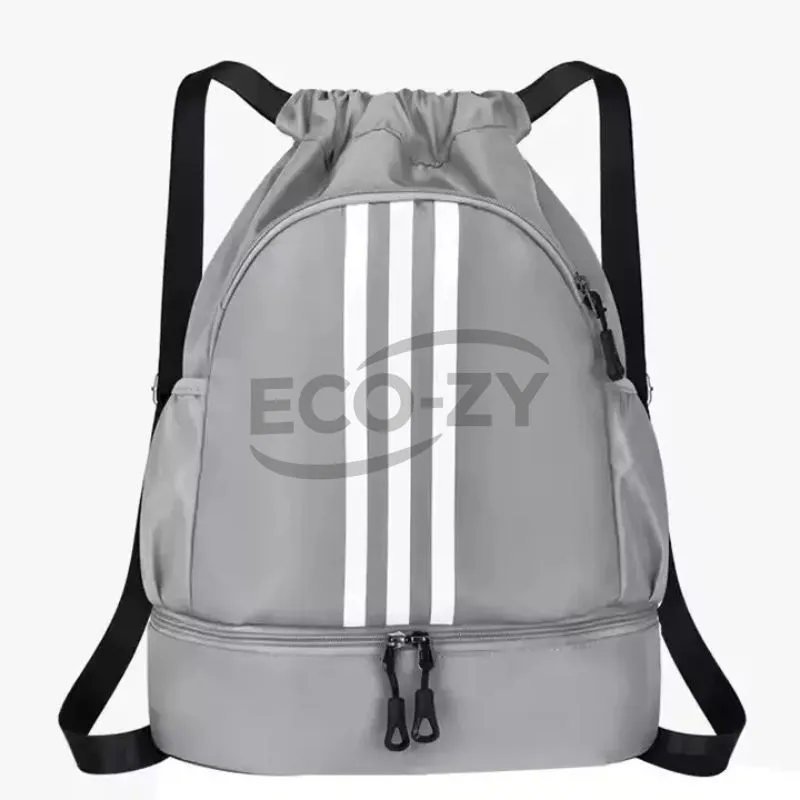
03 Nylon Oxford in Backpack Applications
Nylon (Polyamide) is widely recognized as the premium synthetic fabric for backpack manufacturing, particularly for high-performance, outdoor, and military-grade gear. Its popularity stems from its exceptional strength-to-weight ratio and superior physical properties.
Nylon fibers boast outstanding abrasion resistance and tensile strength, meaning the fabric can withstand significant wear, rubbing, and heavy loads without tearing. While it absorbs slightly more moisture than polyester, its fast-drying capability is highly valued in outdoor and travel applications. When paired with high denier counts (e.g., 600D, 1000D, or specialty fabrics like Cordura), nylon provides a combination of lightness and rugged durability that is unmatched, making it the top choice when product lifespan and reliability are the primary concerns.
There are several common types:(210D, 420D, 500D, 840D, 1000D, 1680D)
Neoprene (3mm–8mm thickness, waterproof + thermal insulation)
04 Neoprene Fabric in Backpack Applications
Neoprene (also known as polychloroprene) is a durable synthetic rubber famed for its exceptional flexibility, waterproofing, and protective qualities. Although rarely used for a backpack's main body, it is an ideal material for padding and specialized compartments.
Its closed-cell foam structure provides excellent shock absorption and insulation, making it the top choice for protective sleeves within a bag, such as laptop and tablet compartments or camera inserts. Furthermore, Neoprene’s natural water resistance and elasticity make it perfect for external water bottle pockets or small accessories pouches where a snug fit and moisture protection are required. It gives technical and specialty bags a soft, cushioned, and modern tactile finish.
There are several common types:(3mm–8mm thickness ,Water-Resistant and Insulated)
Canvas(12oz, 14oz, 16oz)
05 Canvas Fabric in Backpack Applications
Canvas is a heavy-duty, plain-woven fabric prized for its natural look, rugged durability, and long history in bag manufacturing. Traditionally made from cotton or linen, its tightly woven structure gives it exceptional tensile strength and abrasion resistance, making it ideal for durable, vintage, and heritage-style backpacks.
Canvas is highly favored for casual, fashion, and everyday daypacks, as well as sturdy duffels and travel bags. While its natural form is absorbent, canvas is often treated with wax or chemicals (such as waxed canvas) to achieve excellent water resistance and a uniquely distressed or rugged aesthetic. Its thickness, typically measured in ounces (oz), allows it to hold shape well and withstand significant wear, giving backpacks a desirable blend of robust functionality and classic style.
There are several common types: (12oz, 14oz, 16oz)
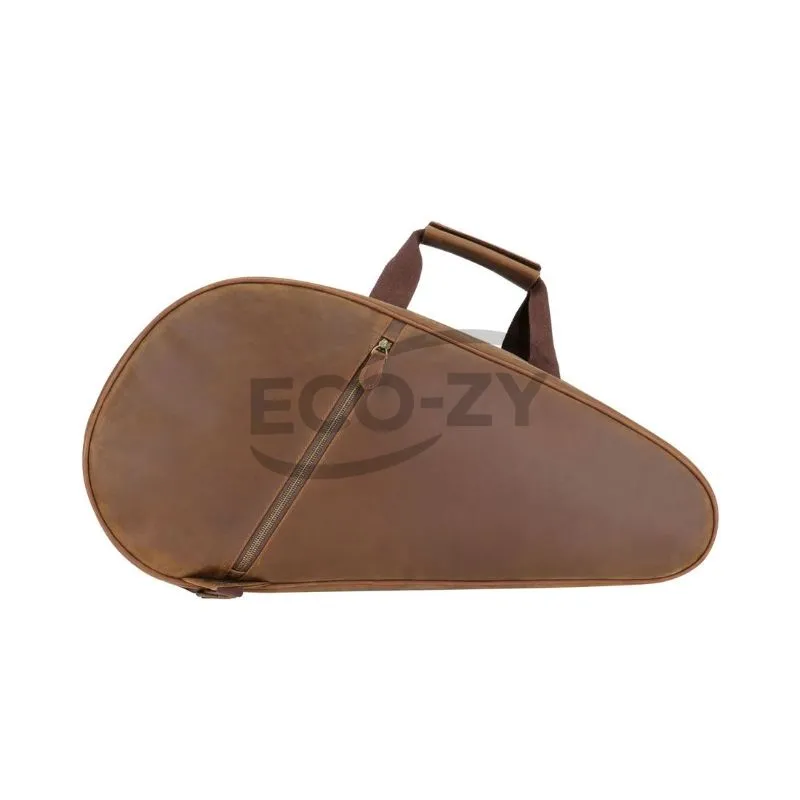
06 Genuine Leather Fabric in Sports Bag Applications
Genuine Leather refers to a broad category of real animal hide products, making it a popular choice for luxury, high-end, or vintage-style sports bags and gym duffels. It is valued for its authentic texture, powerful aesthetic, and exceptional longevity, serving as a status symbol rather than a performance material.
Genuine Leather is used primarily for the exterior shell of executive gym bags, premium golf travel duffels, and classic weekend sports bags where style and robust quality are prioritized over light weight. The material provides excellent rigidity and durability, maintaining the bag's shape and withstanding rough handling over decades. While it develops a rich patina with age, leather is porous and highly sensitive to moisture and odor.1 Therefore, any genuine leather sports bag must incorporate a specialized, fully waterproof, and easily cleanable internal lining (such as thick PVC or waterproof nylon) to isolate wet gear, protect the leather from internal sweat damage, and prevent permanent odor absorption.
07 PU Leather Fabric in Sports Bag Applications
PU Leather (Polyurethane Leather) is the most widely used synthetic alternative to genuine leather in backpack manufacturing. As a man-made material, it is highly valued for its versatility, low cost, and consistent quality, making it a dominant choice for the fashion, casual, and vegan markets.
PU is significantly lighter and requires zero maintenance compared to genuine leather. Its surface is inherently waterproof and easy to clean, making it highly practical for everyday use and bright colors. Modern advances, particularly in Microfiber PU, have made the material incredibly soft and durable, offering impressive abrasion resistance and a luxurious hand-feel that closely mimics the real thing, but with the added benefits of being uniform in color and texture across entire production runs.
08 PVC in Sports Bag Applications
PVC (Polyvinyl Chloride) is a heavy-duty synthetic material favored for applications requiring extreme, cost-effective waterproofing and ruggedness. In backpack manufacturing, PVC is primarily used for dry bags, tool bags, and specialized protective cases rather than general-purpose backpacks.
Its thick, plasticky coating provides superior chemical and oil resistance and can often be sealed through welding rather than stitching, creating a 100% watertight seal essential for marine or industrial use. While PVC is highly durable and very affordable, it is significantly heavier than modern alternatives like TPU. Furthermore, PVC can become stiff and prone to cracking in cold temperatures, and it is generally considered the least eco-friendly option among common synthetic coating materials.
09 Cotton Fabric in Sports Bag Applications
Cotton Fabric, most commonly used in backpack manufacturing in the form of Canvas, is a durable natural fiber prized for its soft hand-feel and classic, vintage aesthetic. Unlike synthetic fabrics, cotton is highly breathable and takes dyes exceptionally well, making it a popular choice for fashion, casual, and heritage-style daypacks.
Its tight weave, typically measured by weight in ounces (oz), provides good tensile strength and structural rigidity. While raw cotton is highly absorbent and offers very low natural water resistance, it is frequently treated with wax or chemical coatings (known as waxed canvas) to dramatically improve its water repellency and create a rugged, sought-after patina. Cotton offers comfort, a natural look, and long-lasting wear, though it is generally heavier than polyester or nylon.
10 Mesh Fabric in Sports Bag Applications
Mesh Fabric is a lightweight, open-weave or knitted material used in backpack manufacturing almost exclusively for its superior ventilation and breathability. It is rarely used for the main body of a bag but is essential for user comfort and organizational functionality.
The most common application is 3D Air Mesh padding found on back panels and shoulder straps, where its thick, porous structure allows air to circulate freely, preventing sweat buildup and ensuring comfort during long periods of wear. Softer, finer mesh is also extensively used for external water bottle pockets (due to quick drainage) and internal zippered compartments where contents need to be easily visible. Mesh adds minimal weight while maximizing airflow, making it an indispensable component for sports, hiking, and everyday backpacks.
Free Pantone Color Choice
As you explore our wide range of fabric pantone color options for your custom backpack, we’ve created a comprehensive fabric color chart to help you visualize and select the perfect hues for your project
1. Color Categories: Our fabric color chart is organized into distinct color categories, making it easy for you to navigate and find the colors that best suit your preferences. Whether you’re looking for vibrant shades, earthy tones, or classic neutrals, we have a variety of options to choose from.
2. Color Swatches: Each color category features a selection of color swatches, showcasing the available hues within that particular color family. From bold and bright to subtle and subdued, our color swatches allow you to see the full spectrum of colors available for your custom backpack&rucksack.
3. Color Codes: Next to each color swatch, you’ll find color codes that correspond to specific shades. These color codes serve as a reference point when placing your order, ensuring that you receive the exact colors you’ve selected for your portable backpack.
4. Customization Options: In addition to our standard fabric color chart, we also offer custom color options for customers who desire a truly unique and personalized look for their backpack. Simply provide us with your desired color specifications, and our team will work with you to create custom backpack that match your vision.
5. Digital Rendering: If you’re having trouble visualizing how a particular color will look on your backpack, our digital rendering services can provide a preview of your design before production begins. This allows you to make any necessary adjustments to colors or design elements to ensure your printed backpack turn out exactly as you envision.
Product features and details display
Silk Printing Logo Lining
Logo/printing process selection
01 Silk Screen Printing
Silk Screen Printing is the most popular decoration method for bags because it delivers exceptionally vibrant and opaque colors that hold up well against wear and washing, making it the most cost-effective choice for large production runs. However, its major drawbacks are technical: it cannot handle fine details, complex color gradients, or photographic imagery, and the need for a separate screen for each color makes multi-colored designs significantly more complex and expensive. Furthermore, the thick layer of ink can sometimes leave the printed area feeling slightly hard or stiff on the bag material.
02 Heat Transfer Printing
Heat Transfer Printing (or thermal transfer printing) is the ideal decoration method for bag designs requiring complex graphics, high-resolution logos, or full-color photographic images, as it handles gradients and fine details perfectly. It is generally ** more affordable than screen printing for small or medium-sized orders** because the unit price doesn't change based on the number of colors. However, heat transfer is typically less durable than silk screen printing; the image, which is essentially a vinyl or plastic film, may peel, crack, or fade over time with heavy wear or washing. Additionally, the printed area often has a distinct smooth, plastic-like texture or patch that is quite noticeable on the fabric.
03 Woven Labels
Woven Labels are a popular and highly effective branding choice for bags, immediately conveying a high-end, professional, and premium image that greatly enhances perceived value. They offer superior durability—often lasting longer than the bag itself—and provide excellent detail and texture for logos and text, particularly compared to simple screen printing. However, woven labels are more expensive than printed labels due to the necessary setup costs (digitizing the artwork) and generally require high minimum order quantities (MOQs), making them less practical for small production runs. Additionally, the color range is limited by available thread colors, making them unsuitable for complex photographic images or exact color matching.
04 Stamped Leather Logos
Stamped Leather Logos (often referred to as debossing or hot stamping) are used on bags to convey a sophisticated, high-end, and premium brand aesthetic. The process involves pressing a custom-made metal mold into a leather or PU patch using heat, creating a permanent, deeply defined logo that is exceptionally durable and will never rub off. Debossing is valued for its subtle, monochromatic look, while hot stamping adds a metallic foil color. However, this method requires a significant initial investment in creating the metal tooling (the mold). It is not suitable for very fine lines or extremely small text, and the durability of foil stamping (adding color) is lower than simple debossing, as the foil can eventually wear down.
05 Embroidery Logos
Embroidery Logos are a highly popular and effective choice for bags, immediately conveying a premium, handcrafted, and textured aesthetic that significantly increases the perceived value of the product. This method is exceptionally durable—the thread colors will never fade or crack—and works well for small, clean logos and text. However, embroidery requires a high initial setup cost for digitizing the logo file, making it more expensive than simple screen printing, especially on large designs. Furthermore, the needle size limits the level of fine detail and tiny text that can be accurately rendered, and the stitching process can sometimes necessitate a stiff backing or stabilizer, making the underlying fabric less flexible than other methods.
06 Metal Logos
Metal Logos and custom metal hardware are the pinnacle of branding for bags, immediately conveying the highest perceived value and a true luxury, premium aesthetic. They are exceptionally durable, permanent, and offer a unique three-dimensional and polished finish that cannot be replicated by printing or embroidery. However, this is also the most expensive branding option, requiring a significant initial investment in creating the custom mold or tooling, which involves the longest lead time for production setup. Furthermore, metal logos add noticeable weight to the bag, and the artwork must be simplified to accommodate the material limitations of casting and stamping.
Certification
Quality Inspection
Cooperating Brands
Pricing and Availability
Cheap Wholesale Backpack In Stock (meet different customer budgets)
Custom shoulder bag FAQ
Q1: How to choose the size of a shoulder bag based on height and body type?
A: The size of a shoulder bag should match your height and body type to avoid proportion imbalance:
Petite build (height < 160cm): Prioritize small bags with a width of 25-30cm and height of 20-25cm, such as mini shoulder bags or underarm bags. Avoid large bags that may overwhelm your frame.
Medium build (height 160-175cm): Regular-sized bags (width 30-35cm, height 25-30cm) work best, e.g., commuter shoulder bags or tote-style shoulder bags. They balance practicality and proportion.
Tall build (height > 175cm): Larger bags (width 35-40cm, height 30-35cm) are suitable, such as large-capacity travel shoulder bags or canvas totes. Avoid small bags that may look awkward.
Q2: What are the pros and cons of different shoulder bag materials? How to choose?
A: The characteristics of common materials are compared below; select based on your usage scenario:
|
Material
|
Advantages
|
Disadvantages
|
Suitable Scenarios
|
|
Genuine Leather
|
High texture, durable (lasts years with proper care), breathable
|
Expensive, vulnerable to water/scratches, requires regular maintenance
|
Commuting, formal occasions, long-term use
|
|
Faux Leather (PU/PVC)
|
Affordable, diverse styles, waterproof and easy to clean
|
Poor breathability, prone to aging and cracking (1-2 year lifespan)
|
Trendy matching, short-term use
|
|
Canvas
|
Lightweight, wear-resistant, cost-effective, machine-washable
|
Easy to get dirty, poor water resistance, casual texture
|
Daily leisure, student use, short trips
|
|
Nylon
|
Waterproof, lightweight, durable (scratch and impact resistant)
|
Sporty texture, easy to attract lint
|
Outdoor activities, rainy days, sports
|
|
Leather Patchwork
|
Combines texture and design, improved durability
|
Mid-range price, cleaning requires material differentiation
|
Commuting, fashion matching
|
Q3: What is the appropriate strap length for a shoulder bag? How to adjust it for comfort?
A: The strap length should be adjusted based on your "carrying style" and "body shape." The core principle is to keep the bag naturally fitting your waist or hips, avoiding slipping or tightness:
Regular shoulder carry (crossed to the side of the waist): The strap length is recommended to be 1/4 to 1/5 of your height (e.g., 40-45cm for a 165cm height). The bottom of the bag should be 3-5cm from your hip bone.
Underarm bag (short strap): The strap only needs to hold the bag under your armpit, with the bag fitting tightly below your ribs to prevent shaking.
Adjustment tip: Prioritize straps with "metal adjusters" or "multi-position eyelets." Leave 1-2 fingers of slack after adjustment to reduce shoulder pressure.
Q4: What functional features should a commuter shoulder bag have?
A: A commuter shoulder bag needs to balance "practicality" and "comfort." Focus on these features:
Layered storage: At least 1 main compartment (for laptops/documents), 1-2 side pockets (for water bottles/umbrellas), and 1 inner patch pocket (for phones/keys).
Load-bearing design: Strap width ≥ 3cm (reduces shoulder pressure), and the bag bottom has anti-slip pads or reinforced stitching (prevents deformation).
Detail optimization: Magnetic/zipper closure (anti-theft), padded laptop compartment (protects electronic devices), and retractable straps (can be used as a handbag temporarily).
Q5: Will long-term one-shoulder carrying cause uneven shoulders? How to avoid it?
A: Long-term one-sided carrying (especially with a weight > 3kg) can cause shoulder and neck muscle imbalance, potentially leading to uneven shoulders or back pain. To avoid this:
Control weight: The load of a shoulder bag should not exceed 5% of your body weight (e.g., a maximum of 2.5kg for a 50kg person). Avoid overloading.
Alternate carrying: Switch to the other shoulder every 30-60 minutes, or occasionally use it as a handbag/crossbody bag (if the strap allows).
Supportive posture: Keep your chest up and head straight while walking, and keep the bag close to your back to reduce excessive shoulder strain.
Q6: How to clean and maintain shoulder bags of different materials?
A: Maintain bags by material type to extend their lifespan:
Genuine leather bags:
Daily care: Wipe off dust with a dry, soft cloth; avoid contact with rain and oil.
Cleaning: Dab a small amount of neutral soapy water (e.g., baby laundry detergent) to gently wipe stains, then immediately blot dry with a dry cloth.
Maintenance: Apply leather care oil every 3-6 months (avoid seams and metal parts). Stuff paper inside to prevent deformation during storage, and cover with a dust bag.
Faux leather (PU/PVC) bags:
Cleaning: Wipe stains directly with a damp cloth; use a small amount of alcohol to gently wipe stubborn stains.
Note: Avoid direct sunlight (causes cracking) and keep away from high temperatures (e.g., heaters, air conditioner vents).
Canvas/nylon bags:
Cleaning: Machine washable (place in a laundry bag, use neutral detergent, water temperature < 30℃) or hand wash, then air dry naturally (avoid direct sunlight to prevent fading).
Maintenance: Remove lint from nylon bags with a lint roller; prevent canvas bags from staying damp for a long time (avoids mildew).
Q7: How to match a shoulder bag with different clothing styles?
A: Choose the bag’s "style, material, and color" based on your clothing style for harmony:
Casual style (T-shirts + jeans/sweatpants): Opt for simple canvas or nylon bags in colors like black, white, gray, or bright shades (e.g., neon green, Klein blue), such as sports shoulder bags or crossbody mini bags.
Commuter style (blazers/shirts + trousers/midi skirts): Select structured genuine leather or PU bags in colors like black, brown, or off-white, such as underarm bags or tote-style shoulder bags. Avoid overly fancy designs.
Vintage style (floral dresses/velvet jackets): Choose retro-style bags with leather patchwork or metal buckle details in colors like caramel, burgundy, or dark green, such as messenger-style shoulder bags.
Edgy style (crop tops + high-waisted pants/mini skirts): Go for mini underarm bags or chain shoulder bags made of glossy PU or metal chains in colors like silver, pink, or black to emphasize a sleek look.
Q8: Is a shoulder bag suitable for travel? What type should I choose?
A: Shoulder bags are suitable for travel (as personal bags). Two recommended types:
Short trips (1-3 days): Choose a waterproof nylon shoulder bag with a "large main compartment + multiple layers" to hold passports, phones, power banks, sunglasses, etc. The strap should be adjustable for crossbody carrying (frees up hands).
Long trips (> 3 days): Select a "foldable canvas shoulder bag" (lightweight and space-saving). Use it as a "backup bag" for shopping hauls or as a small bag for short outings.
Q9. What payment terms and shipping options do you offer for international custom portfolio orders?
We provide secure payment terms and flexible shipping to meet global needs:
Payment terms:
T/T (Telegraphic Transfer): 30% advance payment (to start production) + 70% balance (after QC approval, before shipment).
L/C (Letter of Credit): Accepted for orders over $30,000 (via major international banks like HSBC or Bank of China).
Shipping options:
Sea Freight Air Freight Express


